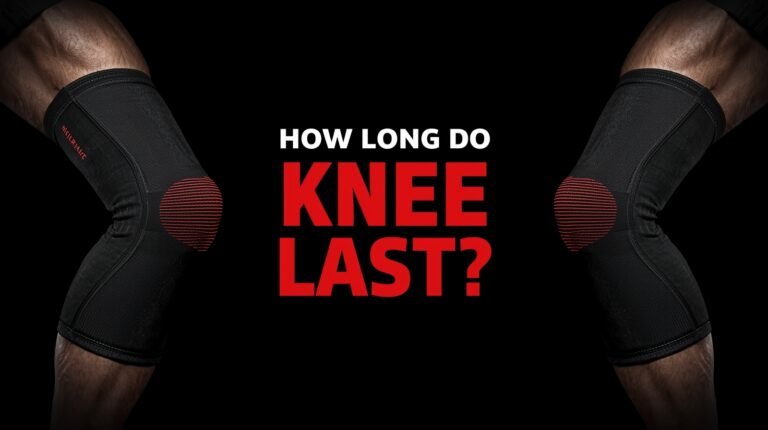
If you’ve ever worn knee sleeves during squats or workouts, you’ve probably felt it right away —
your knees feel more stable, warmer, and more comfortable.
But here’s the real question most lifters ask:
Do knee sleeves actually work, or do they just feel good?
The answer is simple:
Knee sleeves work because of basic body science, mainly compression and warmth.
Let’s explain it in a way that actually makes sense.
The Real Problem Knee Sleeves Are Solving
During training, your knees go through:
- Heavy load
- Repeated bending
- Stress on joints and tendons
- Cold or stiff muscles (especially early in workouts)
This often causes:
- Knee pain during squats
- Stiffness at the bottom position
- Feeling unstable under the bar
- Fear of pushing heavier weight
Knee sleeves are designed to reduce these exact issues.
How Knee Sleeves Actually Work (No Hype)
Knee sleeves help your knees in two proven ways:
- Compression
- Warmth (heat retention)
These are not marketing terms — they are real physiological effects.
1- Compression: Why Your Knees Feel More Stable
Compression means even pressure around the knee joint.
What Compression Does to the Knee
When you wear knee sleeves, compression:
- Improves blood flow around the joint
- Reduces unnecessary knee movement
- Improves joint awareness (your brain knows where the knee is)
- Helps control mild swelling during training
In simple words:
Your knees feel tighter, safer, and more controlled.
What Science Says About Compression
Research on compression garments shows they can:
- Improve joint positioning awareness
- Reduce muscle vibration
- Support joint stability during heavy movement
This matters a lot during:
- Heavy squats
- Deep squat positions
- High-volume leg days
That’s why many lifters feel more confident and balanced when wearing knee sleeves.
Scientific references:
- Kraemer et al., Journal of Strength and Conditioning Research
- MacRae et al., Sports Medicine
2- Warmth: The Most Important Benefit (Most People Ignore)
Warmth is one of the biggest reasons knee sleeves help, especially for squats.
How Warmth Helps Your Knees
Knee sleeves:
- Trap body heat around the knee
- Keep muscles and tendons warm
- Reduce joint stiffness
- Improve flexibility and comfort
Warm knees move better and hurt less.
Why Warm Knees Perform Better
Cold joints:
- Feel stiff
- Move less smoothly
- Are more prone to strain
Warm joints:
- Bend more easily
- Handle load better
- Feel less pain under pressure
This explains why knee pain often appears:
- At the start of workouts
- In cold gyms
- During early squat sets
Knee sleeves help by keeping your knees warm from the first rep.
Scientific references:
- Bishop, Sports Medicine (muscle temperature & performance)
- Gray et al., Journal of Sports Science
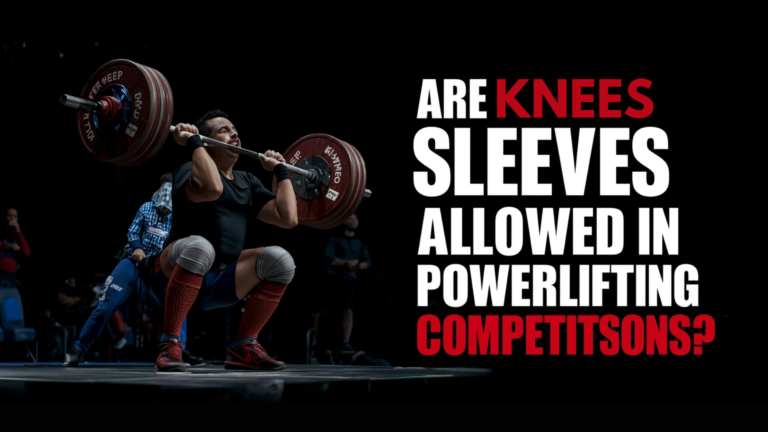
If you compete or plan to compete, it’s important to know are knee sleeves allowed in powerlifting competitions, as most raw divisions allow them.
Why Compression + Warmth Work So Well Together
When compression and warmth combine, you get:
- Better knee stability
- Smoother squat movement
- Less discomfort at depth
- More confidence under the bar
This is why knee sleeves are commonly used in:
- Powerlifting
- Weightlifting
- Cross-training
- Injury prevention and rehab
Do Knee Sleeves Actually Make You Stronger?
This is important to clear up.
❌ Knee sleeves do NOT:
- Add bounce like knee wraps
- Store elastic energy
- Artificially increase strength
✅ Knee sleeves DO:
- Improve movement quality
- Reduce pain and stiffness
- Help you squat with better control
Any strength improvement comes from better movement and confidence, not cheating.
Are Knee Sleeves Backed by Science?
While some studies don’t test “knee sleeves” directly, the science behind them is solid:
- Compression therapy is widely used in sports medicine
- Heat retention improves muscle and joint function
- Joint stability improves performance and safety
This is why knee sleeves are trusted by:
- Athletes
- Coaches
- Physical therapists
- Competitive lifters
Who Benefits the Most from Knee Sleeves?
Knee sleeves are especially helpful if you:
- Squat heavy or frequently
- Experience knee stiffness
- Feel discomfort at squat depth
- Train in colder environments
- Want more confidence during leg workouts
They are not a replacement for:
- Proper warm-ups
- Good squat technique
- Smart programming
But they support all of these.
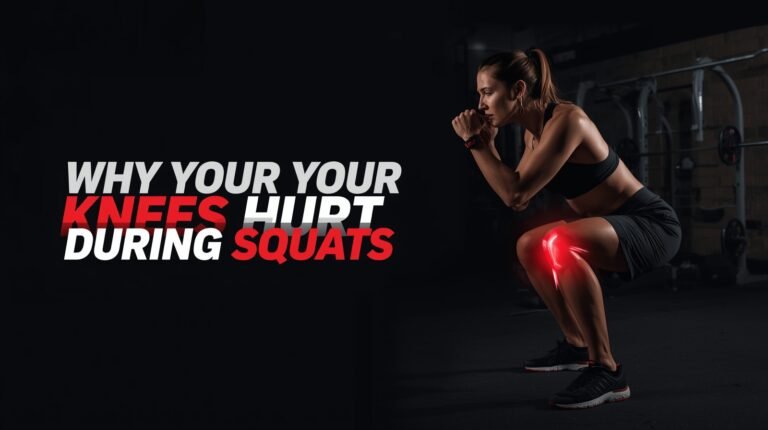
Many lifters experiencing knee discomfort will relate to why your knees hurt during squats, especially when joints are cold or under heavy load.
Common Myth: “Knee Sleeves Are Just Placebo”
If knee sleeves were only placebo:
- Lifters wouldn’t train in them daily
- Coaches wouldn’t recommend them
- Athletes wouldn’t rely on them long-term
Their benefits come from how the human body responds to compression and warmth — not imagination.
Final Thoughts
The science behind knee sleeves is simple and real.
They help because they:
- Apply supportive compression
- Keep the knee joint warm
- Improve stability and movement quality
If your knees feel better, move smoother, and stay pain-free —
that’s not luck. That’s basic sports science doing its job.
Scientific References
- Kraemer et al., Journal of Strength and Conditioning Research
- MacRae et al., Sports Medicine
- Bishop, Sports Medicine – muscle temperature & performance
- Gray et al., Journal of Sports Science