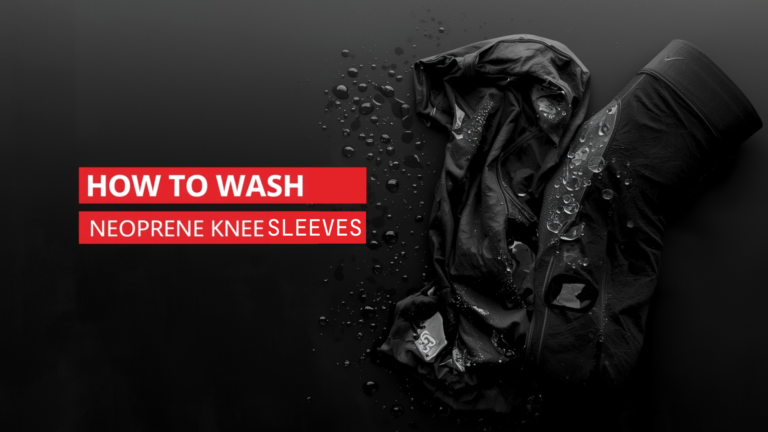
Knee sleeves collect sweat, bacteria, dirt, and moisture after workouts. Over time, this buildup creates odor, weakens the material, and reduces compression support. Cleaning them correctly helps maintain hygiene, comfort, and durability while extending the lifespan of the sleeves.
Most knee sleeves are made from neoprene, which requires gentle care. Using harsh detergents, high heat, or improper drying methods can damage the elasticity and stitching.
If you are looking for high-quality custom knee sleeves for personal use, gyms, fitness brands, or wholesale bulk orders, explore our premium collection designed for durability, compression support, and long-term performance.
Why Cleaning Knee Sleeves Matters
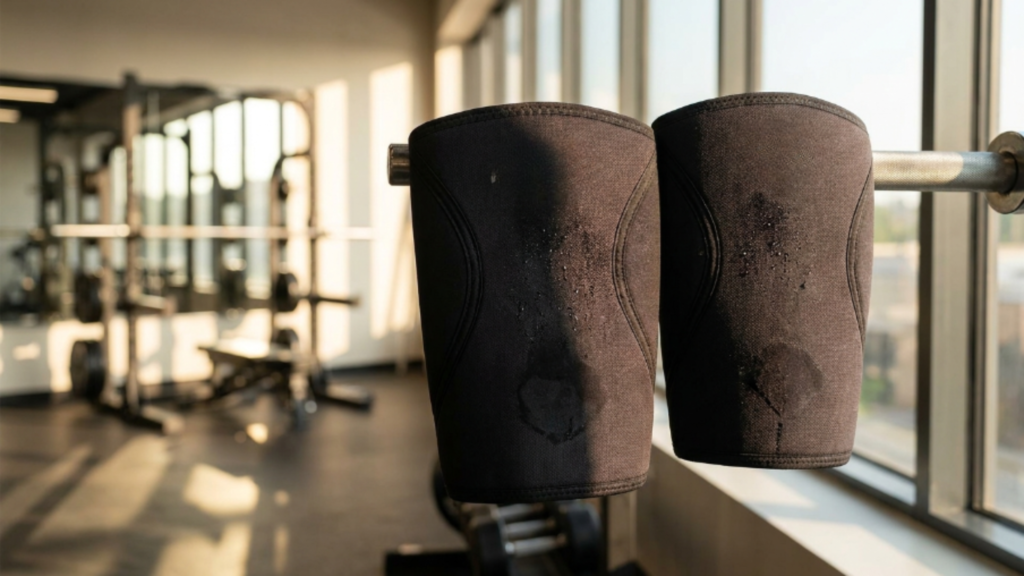
During training sessions, knee sleeves absorb sweat and trap moisture inside the fabric. If they remain unwashed for long periods, bacteria can grow quickly and create strong odors. Dirty sleeves may also irritate the skin and lose their supportive feel during workouts.
Regular cleaning helps preserve compression, prevents odor buildup, and keeps the material in good condition for long-term use.
How Often Should You Wash Knee Sleeves?
The ideal cleaning frequency depends on how often you train. Athletes who use knee sleeves daily for powerlifting, CrossFit, or gym workouts should clean them every one or two sessions. Moderate users can usually wash them once or twice a week.
If the sleeves smell strongly or stay damp after training, they should be cleaned immediately rather than left inside a gym bag.
Best Way to Clean Knee Sleeves
Hand washing is usually the safest and most effective method.
Fill a sink or bucket with cold or lukewarm water and add a small amount of mild detergent. Avoid bleach or strong cleaning chemicals because they can damage neoprene and weaken stitching.
Let the knee sleeves soak for around 10 to 15 minutes. After soaking, gently rub the inside and outside surfaces with your hands to remove sweat and dirt. Focus especially on areas that absorb the most moisture.
Rinse thoroughly until all soap residue is removed. Leaving detergent inside the material can affect comfort and fabric quality over time.
Can You Wash Knee Sleeves in a Washing Machine?
Some knee sleeves can be machine-washed, but hand washing remains the better option for durability.
If you decide to use a washing machine, use cold water and a gentle cycle. Placing the sleeves inside a mesh laundry bag helps reduce stretching and friction during the wash.
Hot water and aggressive spin cycles should always be avoided because they can reduce elasticity and damage compression performance.
How to Remove Bad Smell From Knee Sleeves
Odor is usually caused by bacteria trapped inside sweat-soaked neoprene.
A simple vinegar solution can help remove strong smells. Mix one part white vinegar with four parts water and soak the sleeves for about 20 minutes before washing normally.
Baking soda also works well for absorbing odor. Sprinkling a small amount inside dry sleeves overnight can help freshen them naturally.
The best prevention method is allowing the sleeves to dry fully after every workout instead of leaving them packed inside a gym bag.
Common Mistakes That Damage Knee Sleeves
Using hot water is one of the most common mistakes. Excessive heat weakens neoprene and affects compression support.
Machine drying is also harmful because high temperatures can crack or warp the material. Twisting the sleeves aggressively during cleaning may damage stitching and reduce durability.
Harsh chemicals and bleach should never be used, especially on custom knee sleeves with printed logos or branding.
How to Dry Knee Sleeves Properly
Air drying is the safest method.
After washing, gently squeeze out excess water without twisting the sleeves. Hang them in a ventilated area and allow them to dry naturally.
Avoid direct heat sources such as dryers, heaters, or radiators. Too much heat can shorten the lifespan of the sleeves and weaken elasticity.
How to Make Knee Sleeves Last Longer
Consistent maintenance is the key to long-lasting knee sleeves. Cleaning them regularly, storing them in a dry place, and allowing them to air dry after workouts helps maintain their shape and compression.
Rotating between multiple pairs can also reduce wear if you train frequently.
High-quality knee sleeves can last a long time when properly cleaned and cared for.
Custom Elbow Sleeves for Training and Bulk Orders
If you are also using elbow support during workouts, keeping your elbow sleeves clean is important for comfort, hygiene, and long-term durability. Sweat and moisture can build up inside the compression fabric over time, leading to odor and reduced performance.
Proper cleaning and maintenance help elbow sleeves stay supportive and comfortable during intense training sessions. If you are looking for premium custom elbow sleeves for personal use, gyms, fitness brands, or wholesale bulk orders, we offer durable options designed for everyday performance and long-lasting support.
Final Thoughts
Knowing how to clean knee sleeves correctly helps maintain hygiene, comfort, and performance during training. Gentle hand washing, proper drying, and regular maintenance are the best ways to keep them odor-free and supportive for longer use.
Avoiding excessive heat and harsh chemicals will help protect the neoprene material and preserve compression quality over time.