Powerlifting athletes, coaches, gym owners, and equipment buyers often ask the same question: Are elbow sleeves allowed in powerlifting? The short answer is yes, elbow sleeves are allowed in many powerlifting federations, but the exact answer depends on the organization, division, and equipment rules being followed.
In most federations, elbow sleeves are commonly permitted for the squat and deadlift, while restrictions may apply during the bench press because of the support they can provide around the elbow joint. This makes it essential for athletes and commercial buyers to understand the difference between general training sleeves and competition-approved sleeves.
For B2B buyers such as gym chains, distributors, sporting goods retailers, and private label brands, understanding powerlifting equipment rules is not only helpful for athletes—it is also critical for selecting inventory that meets customer expectations and federation standards.
At thekneesleeves.com, the focus is on manufacturing durable, high-performance knee and elbow sleeves designed for training facilities, retail programs, and wholesale supply channels.
What Are Elbow Sleeves?
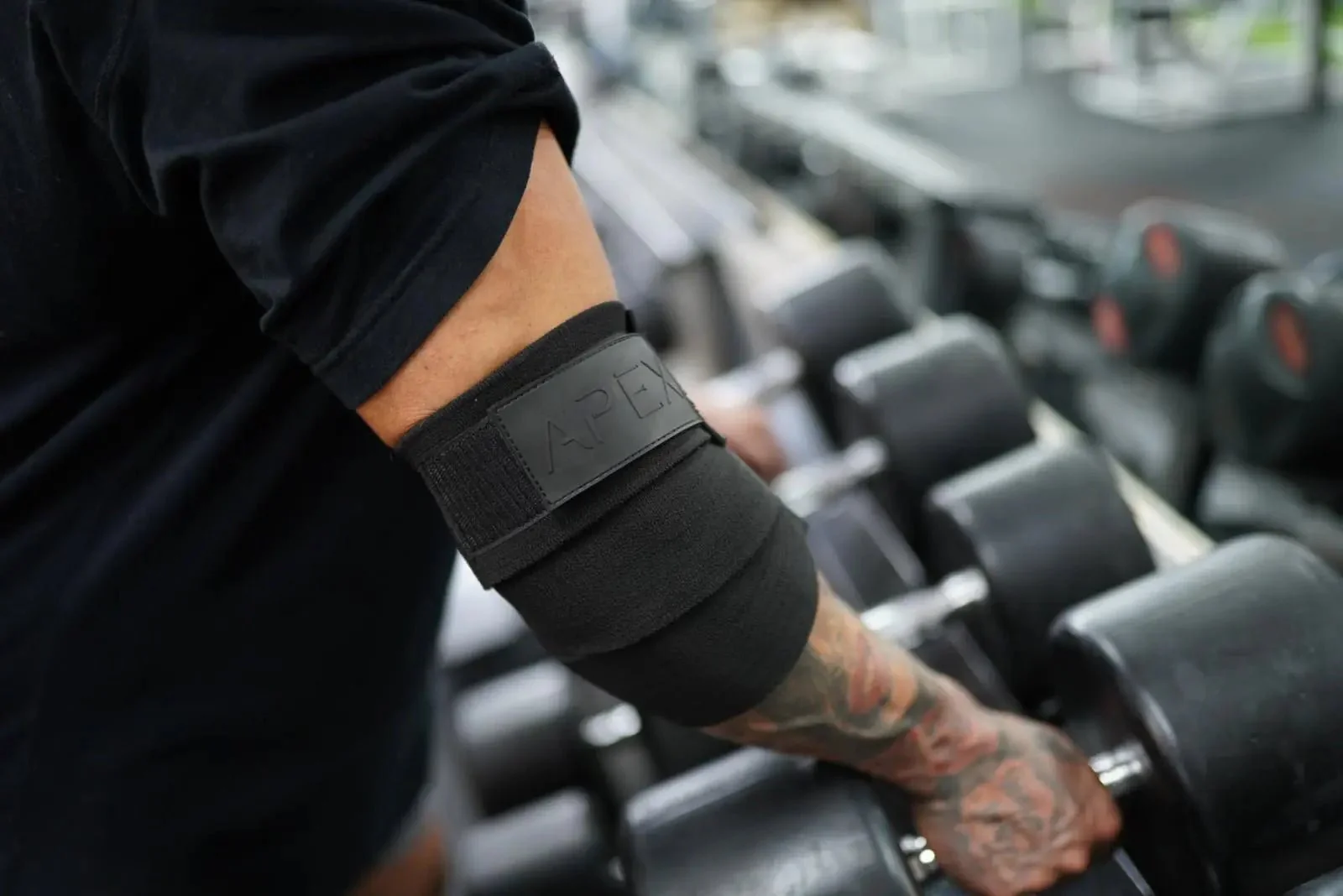
Elbow sleeves are compression-based support garments worn around the elbow joint. They are usually made from neoprene, elastic blends, or technical compression fabrics designed to provide warmth, joint stability, and mild support during lifting.
Unlike rigid supportive gear, elbow sleeves are not intended to drastically alter movement mechanics. Instead, they help athletes maintain joint temperature, reduce discomfort, and improve confidence under heavy loads.
In strength sports, elbow sleeves are especially common during pressing movements, accessory work, and high-volume training blocks. Many athletes also wear them during squats and deadlifts to keep their elbows warm and comfortable while gripping the bar.
Typical features of quality elbow sleeves include:
For commercial buyers, consistency in sizing and material quality matters just as much as appearance.
Are Elbow Sleeves Allowed in Powerlifting?
Yes, elbow sleeves are allowed in many forms of powerlifting, but rules vary by federation and by lift.
In general:
- Training and local meets: Often permitted with fewer restrictions
- Raw powerlifting divisions: Usually allowed, depending on federation policy
- Bench press events: Sometimes restricted if they cover too much of the arm or offer excessive rebound support
- Tested federations: Rules tend to be stricter and more specific
Because powerlifting is a rule-driven sport, athletes should always review the federation handbook before competing.
For example, some organizations classify elbow sleeves as basic support gear, while others regulate them more tightly than knee sleeves. This is why buyers sourcing products for competitive lifters should prioritize sleeves designed with federation compliance in mind.
Federation Rules & Standards
IPF Rules Elbow Sleeves
International Powerlifting Federation is one of the most recognized governing bodies in the sport. Under IPF-style standards, equipment regulations are highly specific. Athletes competing in IPF-affiliated meets must use gear that appears on approved equipment lists when applicable.
Historically, the IPF has allowed supportive sleeves under defined specifications, but placement and use may differ depending on the lift. Buyers should verify the most current technical rulebook before marketing any sleeve as IPF compliant.
Common Technical Standards Across Federations
Although rules differ, many federations examine:
- Sleeve thickness (commonly 5mm or 7mm categories)
- Maximum length
- Material composition
- Seam placement
- Whether the sleeve provides unfair rebound assistance
- Branding and approved manufacturer status
Why This Matters for Buyers
Retailers and wholesalers selling into the powerlifting market should avoid vague claims like “competition legal” unless specifications are validated. Serious athletes expect accuracy, and misleading claims damage trust quickly.
Elbow Sleeves vs Elbow Wraps
One of the most common points of confusion is elbow sleeves vs elbow wraps.
Elbow sleeves are compression garments that slide over the joint and provide warmth and mild support. Elbow wraps are tightly wound elastic wraps that can create significantly more mechanical assistance.
This distinction matters because many raw powerlifting gear divisions allow sleeves but restrict or ban wraps. Wraps can store elastic energy and materially change performance, especially during pressing movements.
In practical terms:
- Sleeves = support, warmth, compression
- Wraps = stronger rebound effect, more assistance, stricter regulation
For gym owners and resellers, educating customers on this difference reduces returns and improves product satisfaction.
Benefits of Using Elbow Sleeves
Elbow sleeves remain popular because they provide real functional value without dramatically changing the nature of the lift.
Joint Warmth and Comfort
Warm tissues generally move better. Compression sleeves help keep the elbow warm between attempts or during long sessions.
Reduced Irritation During Training
High-volume pressing can irritate tendons and connective tissues. Many lifters use sleeves to manage day-to-day discomfort.
Confidence Under Load
Supportive gear often improves mental readiness. Lifters feel more secure handling heavy weights when joints feel stable.
Better Training Consistency
When discomfort is managed effectively, athletes can train more consistently over time.
Useful Across Multiple Exercises
Elbow sleeves are commonly used for:
B2B Insight: What Buyers Should Look for in a Custom Elbow Sleeves Manufacturer
For gyms, private label brands, and wholesale distributors, sourcing elbow sleeves is different from buying consumer-grade stock.
A reliable custom elbow sleeves manufacturer should understand both athletic performance and commercial standards.
Compliance Knowledge
Manufacturers serving strength markets should understand common federation expectations, sizing consistency, thickness tolerances, and material behavior under load.
Private Label Capabilities
Modern B2B buyers often require:
Quality Control
Low-grade sleeves frequently fail at the seams, lose compression quickly, or vary in size. Commercial buyers need repeatable production quality across batches.
Material Selection
Different buyers need different products:
Reputation and Reliability
Delivery timelines, communication, and documentation matter as much as product quality. Serious distributors prefer suppliers that can scale with growth.
At thekneesleeves.com, B2B buyers typically look for sleeves that balance compliance-focused construction, branding flexibility, and dependable manufacturing standards.
Common Mistakes to Avoid
Many athletes and buyers make avoidable mistakes when selecting elbow sleeves.
Ignoring Federation Rules
Not every sleeve is legal in every meet. Always check the current rulebooks before competition.
Choosing Price Over Quality
Cheap sleeves often lose shape, split seams, or provide inconsistent compression.
Wrong Sizing
Overly tight sleeves may restrict movement, while loose sleeves provide little benefit.
Mislabeling Products
Retailers should not advertise products as approved unless standards are confirmed.
Poor Material Choices
Some low-density neoprene options compress poorly and degrade quickly under regular use.
Conclusion
So, are elbow sleeves allowed in powerlifting? Yes—often they are, but the final answer depends on the federation, division, and specific lift.
For athletes, sleeves can improve comfort, consistency, and confidence. For B2B buyers, they represent a growing category within strength sports accessories where brand awareness and product quality directly influence customer trust.
The best approach is to source from manufacturers who understand powerlifting equipment rules, produce reliable compression gear, and offer scalable branding solutions. Whether you supply gyms, launch a private label line, or distribute to performance retailers, quality sleeves backed by real expertise create long-term value.