Powerlifting is one of the most effective ways to build raw strength, improve athletic performance, and develop long-term confidence in the gym. Unlike general fitness programs that focus on random workouts, powerlifting follows a structured system centered around progressive overload and measurable strength gains.
For beginners, the sport can feel intimidating at first. Heavy barbells, advanced lifting terminology, and experienced athletes in the gym often make people think powerlifting is only for professionals. In reality, anyone can start powerlifting with the right approach, proper technique, and consistent training.
This guide explains how to start powerlifting safely and effectively, including training basics, equipment recommendations, recovery strategies, and beginner mistakes to avoid.
What Is Powerlifting?
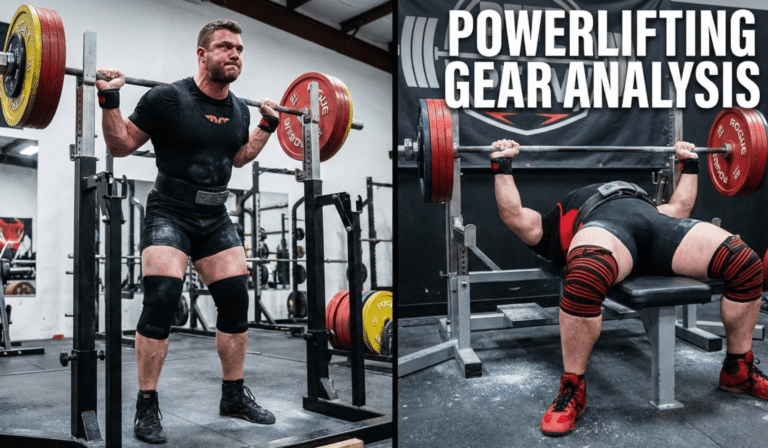
Powerlifting is a strength sport based on three compound lifts:
The goal is simple: lift the maximum amount of weight possible with proper form. Competitive powerlifters perform all three lifts during meets, but many people train powerlifting recreationally to improve strength, muscle mass, athletic performance, and overall fitness.
Unlike bodybuilding, which focuses mainly on appearance, powerlifting prioritizes strength progression and movement efficiency.
Why Beginners Should Consider Powerlifting
Powerlifting offers several advantages for beginners compared to random gym routines.
First, it provides clear progression. You can track your strength improvements every week by increasing weight, repetitions, or training volume.
Second, compound movements train multiple muscle groups simultaneously. Squats strengthen the legs and core, bench presses develop upper body pushing strength, and deadlifts build posterior chain power.
Third, powerlifting improves discipline and consistency. Because training programs are structured, beginners learn how to follow progressive systems rather than relying on guesswork.
Powerlifting can also improve posture, bone density, grip strength, athletic performance, and mental resilience when practiced correctly.
The Three Main Powerlifting Movements
Squat
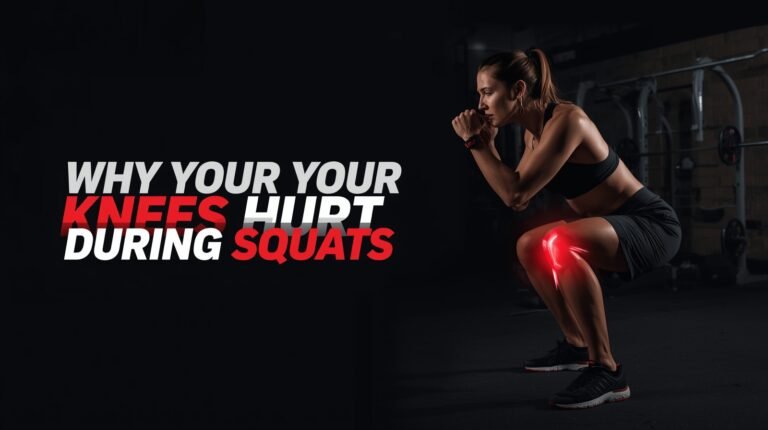
The squat is often called the king of strength exercises. It targets the quadriceps, glutes, hamstrings, and core while teaching full-body stability.
Beginners should focus on:
Learning squat mechanics early is essential for long-term progress and injury prevention.
Bench Press
The bench press develops chest, shoulder, and triceps strength. It is one of the most recognized exercises in strength training.
Important beginner principles include:
- Stable shoulder positioning
- Controlled bar path
- Proper grip width
- Full-body tension during pressing
Bench press strength improves gradually over time with consistent technique practice.
Deadlift
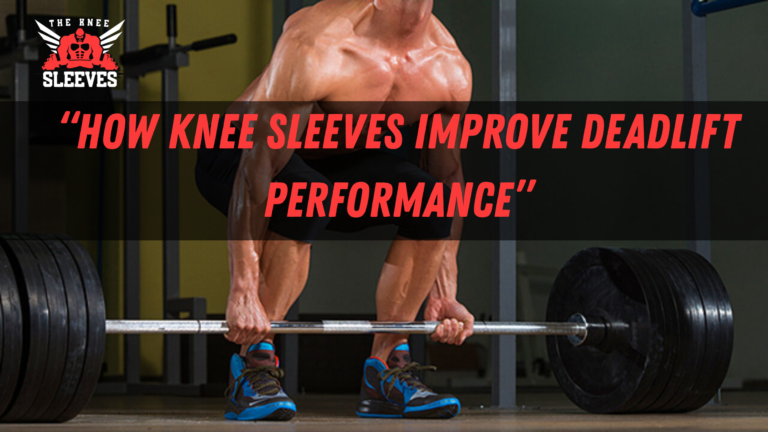
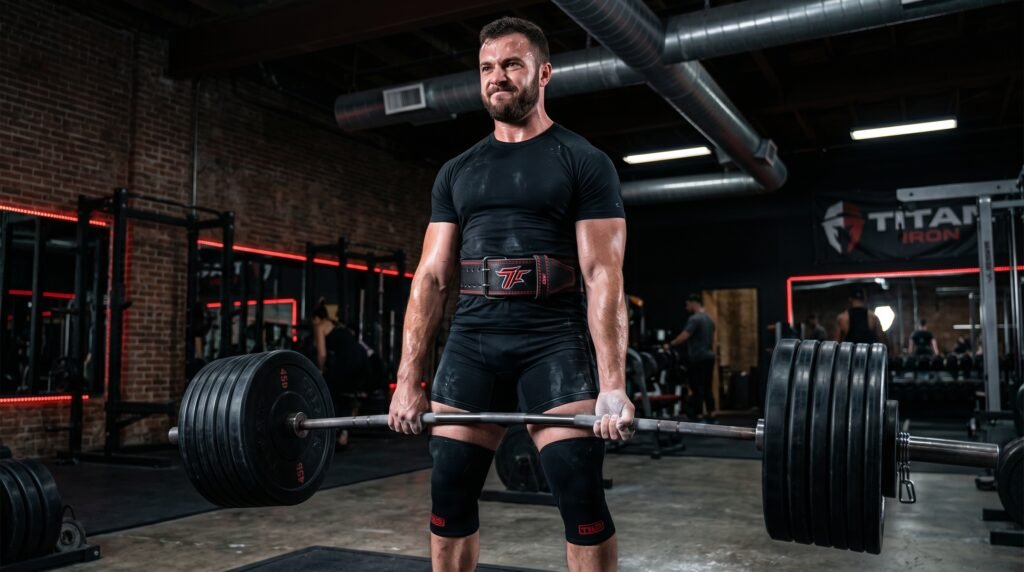
The deadlift is one of the most functional strength exercises because it trains the body to lift weight from the ground efficiently.
It primarily targets:
- Hamstrings
- Glutes
- Lower back
- Upper back
- Grip strength
Beginners should prioritize form before increasing load. Poor deadlift mechanics often lead to unnecessary lower back strain.
How to Start Powerlifting as a Beginner
Learn Proper Technique First
Technique matters more than heavy weight in the early stages. Beginners should spend the first few weeks mastering movement patterns with lighter loads.
Recording lifts, working with experienced coaches, or studying high-quality instructional content can help improve form quickly.
Do not rush into maximal lifting too early. Building technical consistency creates long-term progress.
Choose a Beginner Powerlifting Program
Structured programming is critical for new lifters. Good beginner programs focus on gradual progression while managing fatigue and recovery.
Most beginner routines train:
- 3 to 4 days per week
- Compound lifts multiple times weekly
- Moderate volume with progressive overload
Popular beginner approaches often include linear progression, where weight increases gradually over time.
Consistency matters more than complexity during the beginner phase.
Focus on Recovery
Strength gains occur during recovery, not just training sessions.
Beginners should prioritize:
- Quality sleep
- Adequate protein intake
- Hydration
- Mobility work
- Rest days
Overtraining is common among new lifters who try to progress too quickly. Sustainable progress comes from balancing training intensity with proper recovery.
Essential Powerlifting Equipment for Beginners
While powerlifting can start with minimal equipment, supportive gear helps improve performance, stability, and joint support over time.
Knee Sleeves
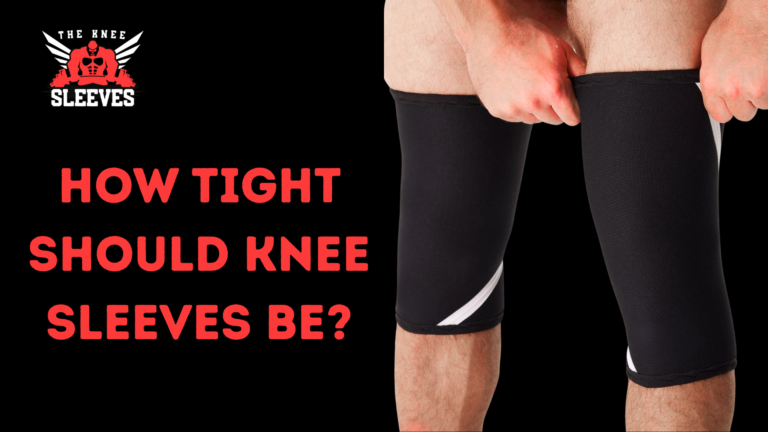
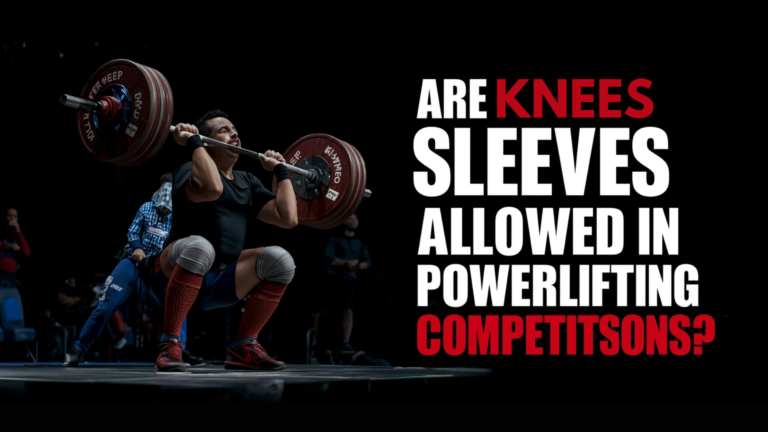
Knee sleeves provide compression, warmth, and support during squats and heavy lower-body training. They are widely used by both beginners and advanced lifters.
For athletes, gyms, and fitness brands searching for premium wholesale options, The Knee Sleeves offers custom and bulk knee sleeve solutions designed for powerlifting, weightlifting, and strength training businesses.
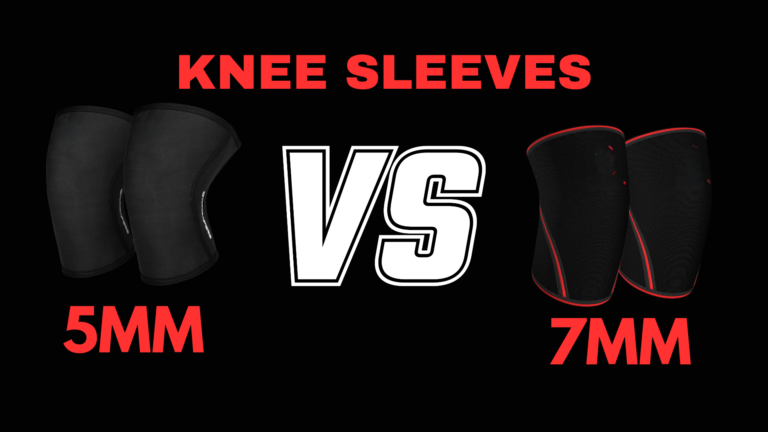
Many beginners prefer 5mm or 7mm neoprene knee sleeves because they help improve comfort and confidence during squats.
Weightlifting Belts
A quality lifting belt helps increase core stability and intra-abdominal pressure during heavy compound movements.
Belts are commonly used for:
For gyms, private label fitness brands, and wholesale buyers looking for custom lifting belts, Belts Maker provides gym belt manufacturing and bulk customization solutions for strength training businesses worldwide.
A properly fitted belt should support bracing mechanics without replacing core strength development.
Common Beginner Mistakes in Powerlifting
Lifting Too Heavy Too Soon
Many beginners chase heavy numbers before developing proper movement patterns. This often leads to stalled progress or injury risk.
Strength should be built progressively.
Ignoring Mobility
Limited mobility affects squat depth, deadlift positioning, and overall movement quality. Mobility work should remain part of every training routine.
Program Hopping
Switching routines every few weeks prevents consistent adaptation. Beginners should stay committed to structured programming long enough to evaluate progress properly.
Neglecting Recovery
Sleep deprivation, poor nutrition, and excessive training volume reduce performance and increase injury risk.
Recovery is part of training.
Nutrition for Beginner Powerlifters
Powerlifting performance depends heavily on nutrition.
Beginners should prioritize:
- Sufficient protein intake
- Balanced carbohydrates for training energy
- Healthy fats for hormone support
- Adequate hydration
Muscle growth and strength development require consistent nutritional habits over time.
Crash dieting while trying to build strength usually limits progress.
How Long Does It Take to See Results?
Most beginners notice strength improvements within the first few weeks of consistent training.
Physical changes typically become noticeable after several months, depending on:
- Training consistency
- Nutrition quality
- Sleep habits
- Recovery management
- Genetics
The beginner phase is often the fastest period for strength progression because the body adapts quickly to new training stimuli.
Should Beginners Compete in Powerlifting?
Competition is optional, but many lifters enjoy the motivation and structure it provides.
Local powerlifting meets help beginners:
- Gain experience
- Build confidence
- Learn competition standards
- Connect with the lifting community
You do not need elite strength levels to compete. Many competitions welcome first-time lifters.
Final Thoughts
Starting powerlifting does not require perfect genetics, advanced equipment, or years of gym experience. The most important factors are consistency, proper technique, and structured progression.
Beginners who focus on mastering fundamentals often build impressive long-term strength while reducing injury risk.
As training intensity increases, supportive equipment like knee sleeves and lifting belts can improve comfort, stability, and confidence under heavier loads. Businesses and athletes looking for wholesale strength gear can explore custom solutions from The Knee Sleeves and Belts Maker for premium powerlifting accessories and gym equipment manufacturing.
Powerlifting is ultimately a long-term journey. Progress comes from patience, consistency, and disciplined training over time.