If you squat regularly, knee pain is something you’ve probably felt at least once.
Sometimes it’s a small ache, sometimes it’s sharp pain, and sometimes it’s bad enough to make you stop squatting completely.
The first question that comes up is: “Why do my knees hurt when I squat?”
Let’s break it down in a simple way and see how knee sleeves can actually help.
Common Reasons Your Knees Hurt During Squats
Knee pain doesn’t just “happen”. In most cases, it’s caused by small mistakes or lack of support.
1. Poor Squat Form
This is the number one reason.
Common form issues:
- Knees caving inward
- Squatting too shallow or too deep without control
- Leaning too far forward
- Not engaging glutes properly
When your form is off, your knees take stress they’re not meant to handle.
2. Weak Muscles Around the Knee
Your knees rely on support from:
- Quads
- Hamstrings
- Glutes
If these muscles are weak, the knee joint works harder than it should, leading to pain during squats.
3. Cold or Stiff Knees
Squatting with cold joints is risky.
Cold knees:
- Have less blood flow
- Feel stiff and tight
- Are more likely to get irritated under load
This is very common in early sets or winter training.
4. Overuse or Heavy Loads
Squatting heavy without proper recovery can slowly irritate your knees.
Signs of overuse:
- Pain that builds during the workout
- Soreness that lasts days
- Pain when walking downstairs
5. Previous Knee Injury
Old injuries don’t disappear.
Even if you “feel fine,” squats can expose weakness or instability in the knee.
How Knee Sleeves Help With Knee Pain During Squats
Knee sleeves are not magic — but they do solve real problems when used correctly.
1. Keep Your Knees Warm
Neoprene knee sleeves trap heat around the joint.
This helps by:
- Increasing blood flow
- Reducing stiffness
- Making knees feel smoother during movement
Warm knees move better. Simple as that.
2. Provide Light Compression
Compression helps:
- Reduce swelling
- Improve knee awareness (you feel your knee position better)
- Add slight stability during the squat
This doesn’t replace strength, but it supports the joint while you build it.
3. Improve Squat Confidence
Many lifters stop squatting heavy because they’re scared of knee pain.
Knee sleeves:
- Make knees feel secure
- Reduce mental fear
- Help you focus on form instead of pain
Confidence alone can improve how you squat.
4. Reduce Stress on the Knee Joint
By supporting surrounding tissue, knee sleeves help distribute pressure more evenly, especially at the bottom of the squat.
This can reduce irritation over time.
What Knee Sleeves Can’t Do (Important)
Let’s be honest.
Knee sleeves:
- Won’t fix bad squat form
- Won’t heal serious injuries
- Won’t replace proper warm-ups
They are a support tool, not a shortcut.
What Thickness Is Best for Squats?
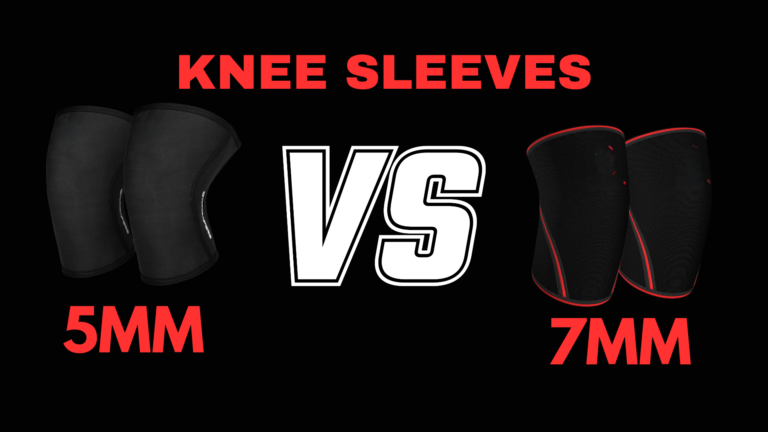
- 5mm knee sleeves
Best for CrossFit, functional training, and lighter squats - 7mm knee sleeves
Best for heavy squats, powerlifting, and knee pain support
If knee pain is your main issue, 7mm sleeves are usually the better choice.
When You Should Avoid Squatting Through Pain
Stop and reassess if:
- Pain is sharp or sudden
- Pain gets worse every session
- Knees swell after squats
- Pain affects daily movement
Knee sleeves help manage stress, not ignore injury.
Final Thoughts
Knee pain during squats is common — but it’s not normal.
Most of the time, it comes from:
- Poor form
- Weak muscles
- Cold or unsupported knees
Knee sleeves help by keeping your knees warm, supported, and stable, allowing you to squat with more confidence and less discomfort.
If you squat regularly, knee sleeves aren’t just an accessory — they’re smart protection.