If you lift weights, squat, or train regularly, knee pain is probably something you worry about. Many athletes wear knee sleeves hoping they will prevent knee injuries.
But do knee sleeves really protect your knees — or is it just marketing?
Let’s break it down honestly and simply, using science, not hype.
Why Knee Injuries Are So Common
The knee joint takes a lot of stress during:
- Squats
- Deadlifts
- Running
- Jumping
- Sports like football, basketball, and CrossFit
Common knee problems include:
- Knee pain from overuse
- Patellar tendon stress
- Mild joint instability
- Swelling after workouts
This is where knee sleeves come into the picture.
What Knee Sleeves Actually Do for Your Knees
Knee sleeves do not make your knees injury-proof, but they help reduce risk in several ways.
1. Provide Compression
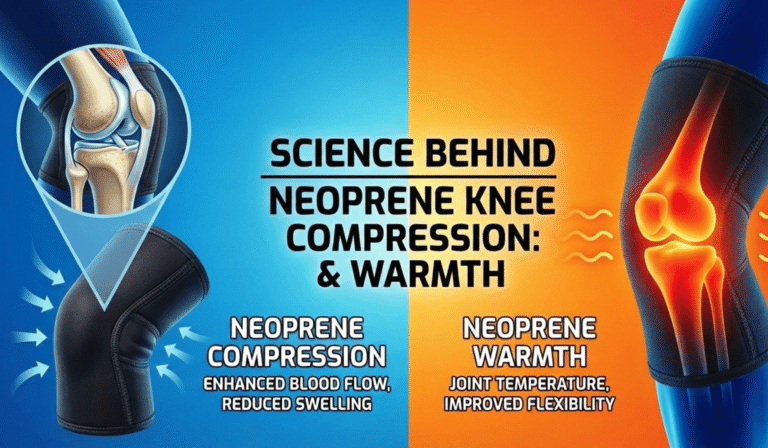
Compression helps:
- Improve blood flow
- Reduce swelling
- Keep the knee warm
A warm joint moves better and feels more stable, especially during heavy lifts.
2. Improve Knee Stability
Knee sleeves give light support, which helps:
- Control knee movement
- Reduce side-to-side wobble
- Improve balance under load
This is useful for people with minor knee discomfort or weakness, not serious injuries.
3. Improve Body Awareness (Proprioception)
This is very important.
Knee sleeves help your brain feel where your knee is during movement.
When your body is more aware, your form improves — and better form means fewer injuries.
What Science Says About Knee Sleeves & Injury Prevention
Let’s look at actual research
Compression and Joint Stability
A study published in the Journal of Strength and Conditioning Research found that compression garments (including knee sleeves) can improve joint position sense and stability during movement.
This means better control, which reduces injury risk, especially under fatigue.
Reduced Pain and Improved Confidence
Research in Sports Medicine showed that athletes wearing knee sleeves reported:
- Less knee pain
- More confidence during lifting
- Better movement control
Confidence matters — when you trust your knees, you move more naturally and safely.
Warmth and Injury Risk
Studies show that keeping joints warm helps:
- Improve flexibility
- Reduce stiffness
- Lower chance of muscle or tendon strain
Knee sleeves help maintain knee warmth throughout workouts.
Important Truth: What Knee Sleeves CANNOT Do
Let’s be very clear
Knee sleeves do NOT:
- Heal torn ligaments
- Fix bad lifting form
- Replace proper warm-ups
- Protect against serious injuries alone
If you lift with bad form or overload weight, no sleeve can save your knees.
Do Knee Sleeves Prevent Injury? The Real Answer
YES — indirectly
NO — not completely
Knee sleeves help reduce injury risk, but they do not guarantee protection.
They work best when combined with:
- Proper technique
- Smart training loads
- Good recovery
- Strong leg muscles
Think of knee sleeves as extra insurance, not a magic shield.
Who Should Wear Knee Sleeves?
Knee sleeves are especially helpful for:
- Beginners learning proper squat form
- Lifters with mild knee pain
- Powerlifters and weightlifters
- CrossFit athletes
- Runners and active gym users
If your knees feel unstable or sore after workouts, sleeves can help.
Final Verdict
Knee sleeves do not prevent injuries by themselves, but science shows they help by:
- Improving stability
- Reducing pain and swelling
- Keeping knees warm
- Improving movement awareness
Used correctly, knee sleeves are a smart tool for safer training.