If you’ve ever worn knee sleeves and thought “Are these too tight… or not tight enough?” — you’re not alone.
This is one of the most common questions lifters ask, and wearing knee sleeves the wrong way can actually reduce their benefits or cause discomfort.
In this guide, you’ll learn exactly how tight knee sleeves should be, how to check the correct fit, and how to avoid common mistakes — especially if you’re a beginner.
Why Knee Sleeve Fit Matters
Knee sleeves are designed to:
- Improve knee stability
- Increase blood flow & warmth
- Reduce joint pain and stiffness
- Provide confidence during lifts
But all of this depends on proper fit.
Too loose = no support
Too tight = pain, numbness, and restricted movement
So, How Tight Should Knee Sleeves Be?
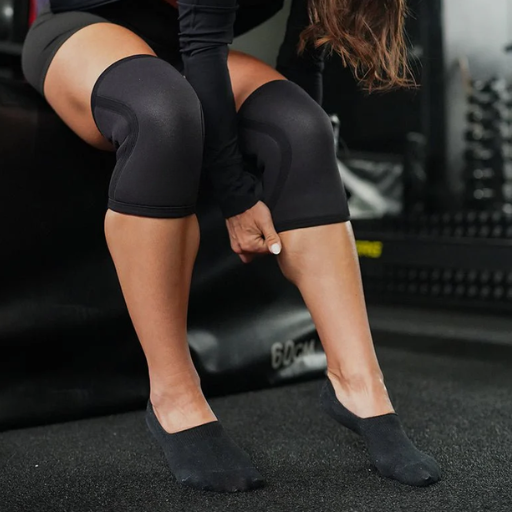
A properly fitted knee sleeve should feel:
- Snug and compressive
- Supportive but not painful
- Secure without cutting off circulation
The Golden Rule:
You should feel compression, not pressure.
Quick Fit Test (Very Important)
Use this simple test after wearing your knee sleeves:
Correct Fit
- You can squat or move your knee fully
- No sharp pain or pinching
- Mild compression feeling
- No numbness after 10–15 minutes
Too Tight
- Tingling or numbness in the legs
- Pain behind the knee
- Skin turning dark red or purple
- Difficulty bending the knee
Too Loose
- Slides down during workouts
- No noticeable support
- Feels like a fabric wrap, not compression
How Knee Sleeves Should Feel During Different Activities
Strength Training / Squats
- Snug fit
- Slight resistance when bending
- Comfortable during multiple sets
Running / CrossFit
- Slightly lighter compression
- No rubbing or slipping
- No restriction during fast movements
Rehab / Joint Pain Relief
- Comfortable compression
- Wearable for longer periods
- No pressure points
Knee Sleeve Sizes: Why Many People Get It Wrong
One of the biggest mistakes beginners make is choosing smaller sizes for more support.
A smaller size ≠ brings more benefits
Correct size = better performance + safety
Proper Way to Measure
- Measure around your knee joint
- Usually 10–15 cm below the kneecap
- Follow the brand’s size chart (fundamental)
If you are between sizes:
- Powerlifting / Heavy squats: go tighter
- General fitness / daily training: go comfortably
Can Knee Sleeves Be Too Tight?
Yes — and this is dangerous.
Overly tight knee sleeves can:
- Restrict blood flow
- Increase knee pressure
- Cause swelling or numbness
- Reduce performance instead of improving it
If you feel pain or loss of feeling, remove them immediately.
Common Beginner Mistakes (Avoid These)
Wearing sleeves all day
Choosing a size smaller than the chart
Pulling sleeves too high or folded
Ignoring pain or numbness
Knee sleeves are training tools, not casts.
Final Verdict: What’s the Perfect Tightness?
The perfect knee sleeve fit is:
- Tight enough to feel supportive
- Loose enough to move naturally
- Comfortable throughout your workout
- Pain-free at all times
If you forget you’re wearing them during training, you nailed the fit.
Pro Tip for New Lifters
If you’re starting:
- Go for moderate compression
- Focus on comfort + consistency
- Upgrade tightness only if needed later